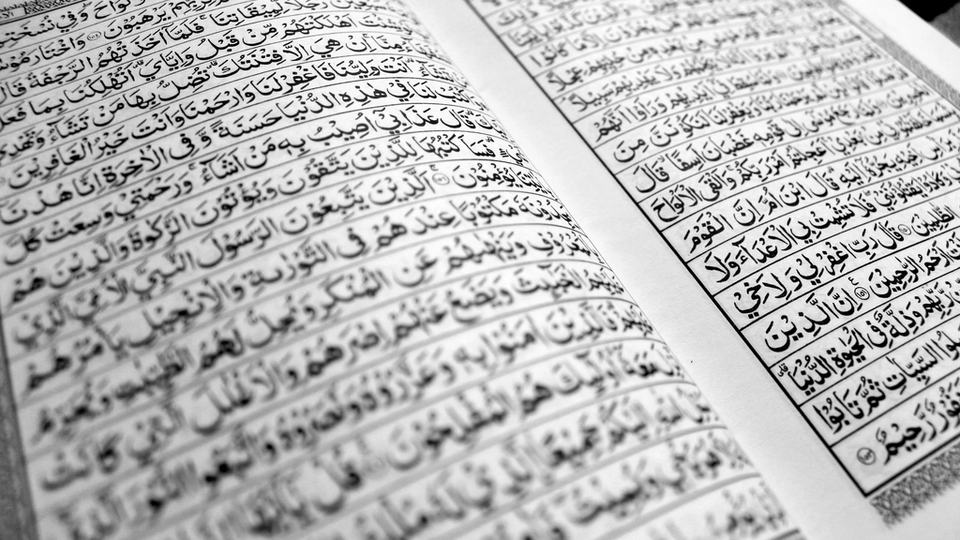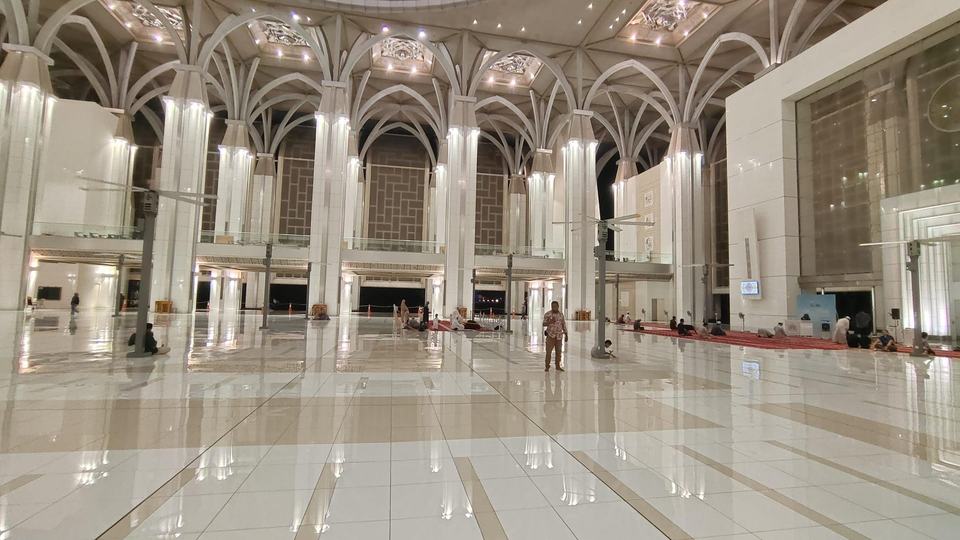
There is a moment in the night when the house is still, the phone is silent and no one is watching. The Qurʾān describes the people who use that moment well: “They arise from their beds; they supplicate their Lord in fear and aspiration” (Qurʾān 32:16). That is tahajjud — voluntary prayer offered after sleeping, before Fajr.
Why the night?
Allah tells the Prophet ﷺ: “And from part of the night, pray with it as additional worship for you; it is expected that your Lord will resurrect you to a praised station” (17:79). Elsewhere He explains what makes those hours different: “Indeed, the hours of the night are more effective for concurrence of heart and tongue and more suitable for words” (73:6). The noise of the day has gone, and what you say is easier to mean.
The Prophet ﷺ also told us that in the last third of every night our Lord descends to the nearest heaven and asks: who is calling upon Me, that I may answer him? Who is asking of Me, that I may give him? Who is seeking My forgiveness, that I may forgive him? (Ṣaḥīḥ al-Bukhārī 1145). Tahajjud is simply showing up for that invitation.
What it looks like in practice
- Timing: any time after ʿIshāʾ and after some sleep, ideally in the last third of the night. Use your local Fajr time to work it out — if Maghrib is at 6pm and Fajr at 5am, the night is eleven hours and the last third begins around 1:20am.
- How much: prayed in pairs of two rakʿahs. Two is a complete start; there is no minimum to “earn” it.
- Close with witr: if you have not prayed witr after ʿIshāʾ, make it the last prayer of your night.
- Leave time for duʿāʾ: the conversation after the prayer is as much a part of tahajjud as the prayer itself.
A gentle way to begin
Most people who try tahajjud stop because they aim too high on day one. Try this instead for a month:
- Set an alarm just twenty minutes before Fajr. Make wuḍūʾ, pray two rakʿahs, make one sincere duʿāʾ.
- Choose a short sūrah you love and recite it slowly rather than a long one quickly.
- Sleep earlier on the nights you plan to wake — tahajjud is won at bedtime.
- Once it feels natural, move the alarm earlier by ten minutes at a time.
Small and steady beats grand and abandoned. Two rakʿahs every night will change you more than ten on a single night.
Recite with a guide
If you struggle to recite at length from memory, open the Bakiif Qurʾān reader and follow a reciter verse by verse beforehand — the sūrahs you listen to by day become the sūrahs you can stand with at night.
Further reading
Tahajjud: Fuel for the Self and Society — Yaqeen Institute.